When moving, the moving box is perhaps the most used, but also the most underestimated, aid. A good box should withstand heavy loads, be easy to carry, and not fail when it is stacked or lifted several times. At the same time, there are major differences in quality between different models on the market.
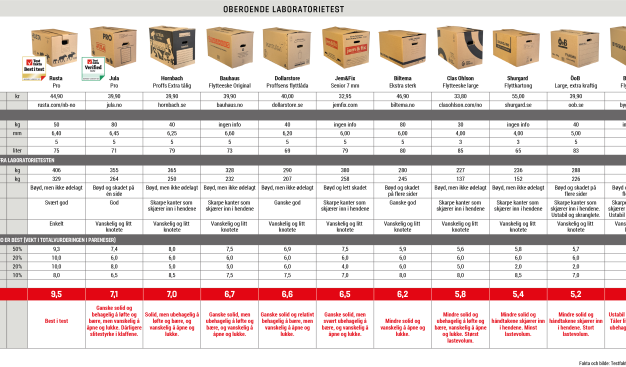
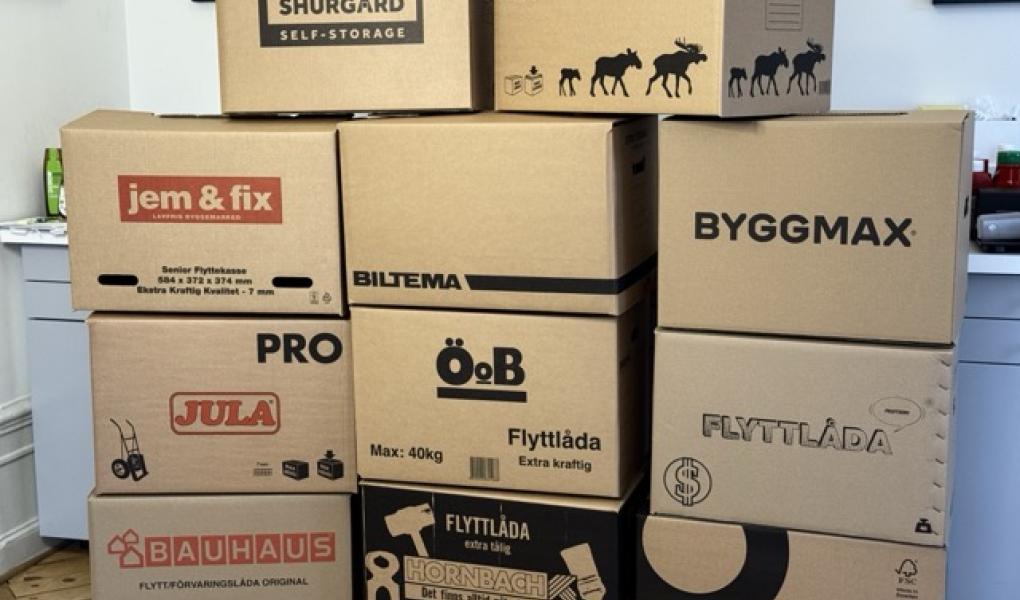
Testfakta had the independent laboratory PZT in Germany test 11 different moving boxes available on the Scandinavian market. To ensure a fair comparison, the strongest model from each manufacturer was selected where several variants were available. The laboratory assessed how well the boxes withstand the stresses that occur during a normal move. The focus was on strength, construction, and practical use – properties that in practice determine whether the box holds up from packing and transport to storage and possible reuse.
The tested moving boxes varied in thickness from 4 mm to 6.6 mm – something that affects strength.
“If the boxes are to be filled with heavy items, the material thickness is crucial,” says Thorsten Kutzner, test manager at PZT.
“Boxes with 4–5 millimetres of corrugated cardboard are generally less suitable for heavy loads. For sufficient stability during lifting and stacking, the cardboard should be at least 6 millimetres thick.”
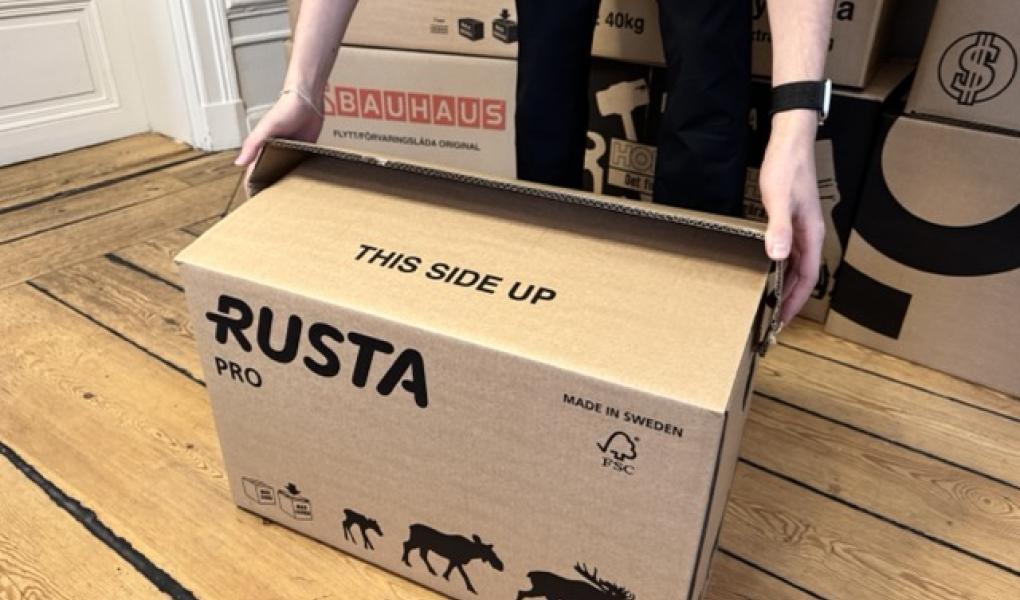
The clear winner of the test was Rusta’s moving box Pro, made of 6.4 mm corrugated cardboard, with high load-bearing capacity and good carrying comfort.
“The Rusta box was very comfortable to carry even with a heavy load. The high material quality, a well-thought-out folding solution, and ergonomic handles clearly contributed to this,” explains Kutzner.
Rusta was also the only box that received a high score for opening and closing the lid flaps. It has a slightly different solution from the others, all of which were assessed as difficult to open and close.
[PDF]
In addition, Jula Pro also received a good score for lifting comfort. Both models have sturdy flaps that fold in and protect the hands when lifting. Other boxes had varying degrees of uncomfortable handles – Shurgard and ÖoB stood out in particular with sharp edges that cut into the hands when the box was full.
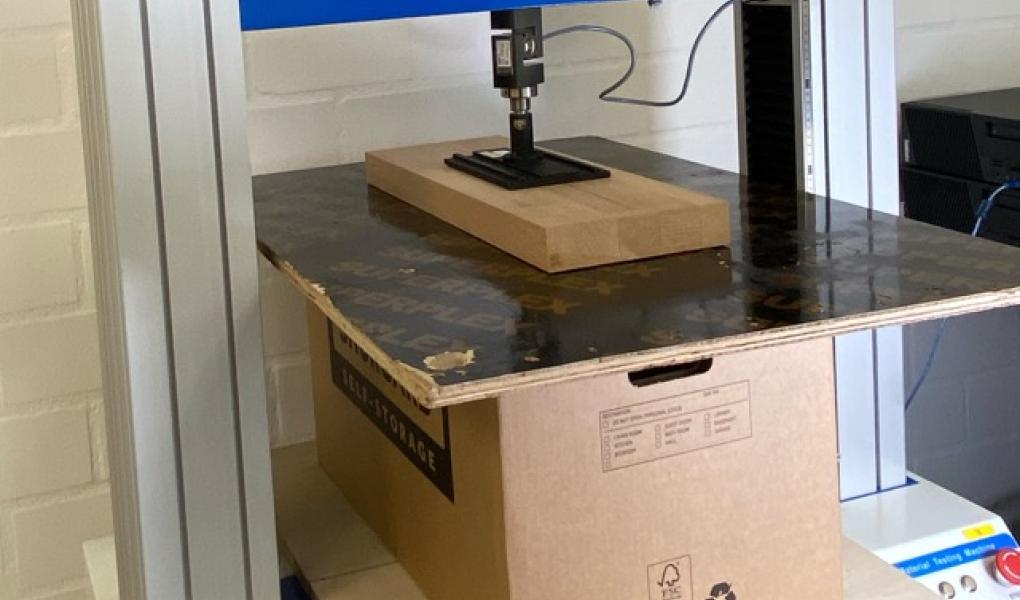
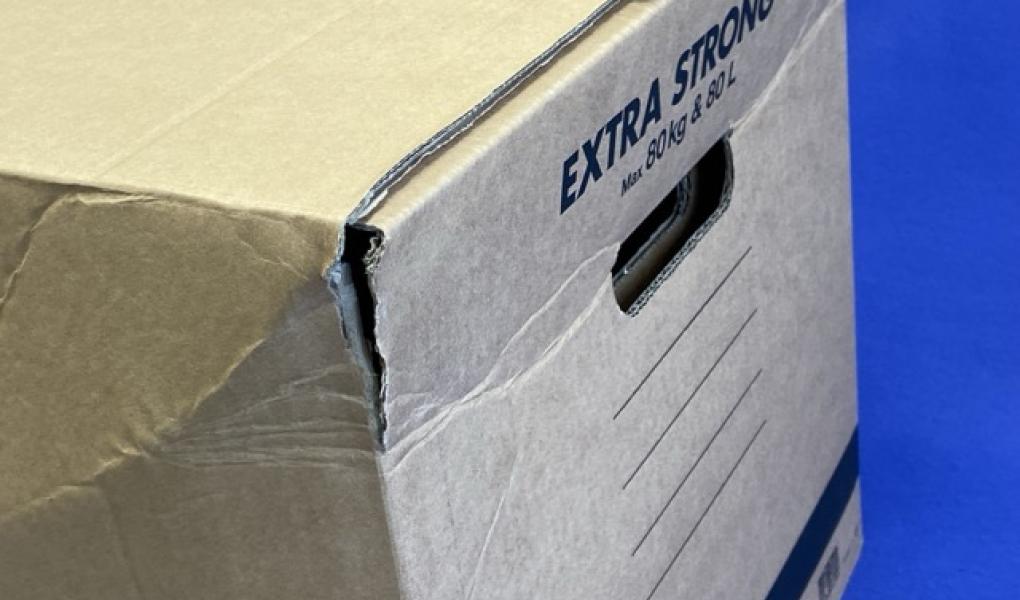
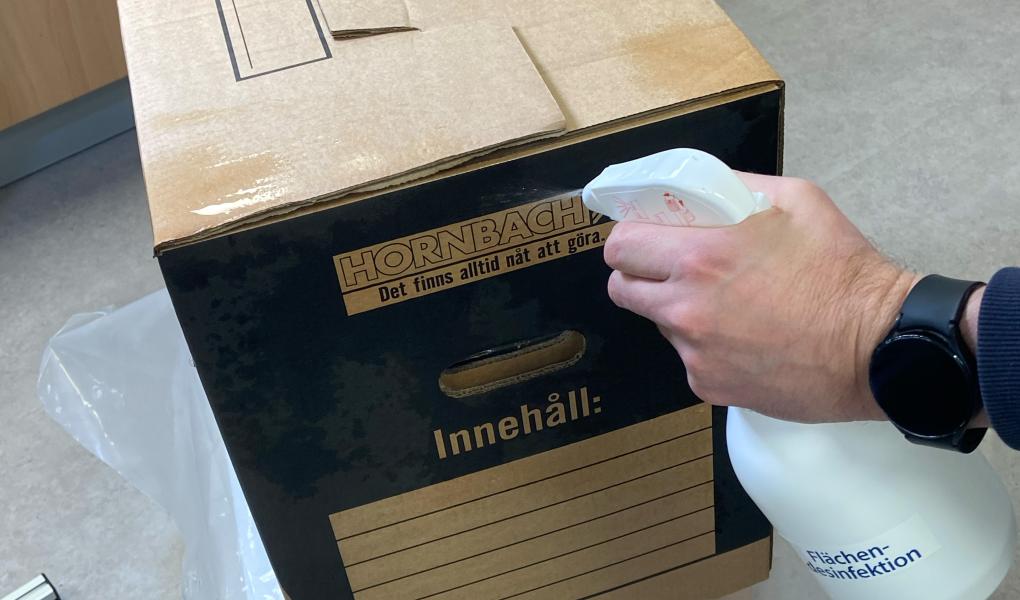
In the compression test, the moving boxes were subjected to weight from above to simulate stacking in a basement or damp environment. Rusta’s moving box withstood a pressure of as much as 406 kg in dry condition before giving way, while Byggmax’s collapsed already at 199 kg. The boxes from Biltema, ÖoB, and Byggmax split on several sides as the pressure increased, while the rest merely deformed.
When exposed to moisture, all the boxes became weaker. It is important to remember that in real life, boxes are often stacked unevenly and therefore are likely to withstand lower loads than in the laboratory.
Testfakta’s review shows major differences in quality. Only two of the eleven boxes achieved approved results in all test elements:
Rusta Pro – Best in test
Jula Pro – Awarded the Verified Quality label for high quality in material and design
According to Thorsten Kutzner, choosing the right box provides better handling, fewer damages, and a safer move:
“There are major differences, and far from all boxes work well when they are filled heavily and stacked with 3–4 others on top. As a consumer, it is almost impossible to assess this in the store. The test results provide a good basis when choosing moving boxes, especially in terms of load-bearing capacity and stacking strength.”